European Gambling Houses And Their Influence On Card Traditions
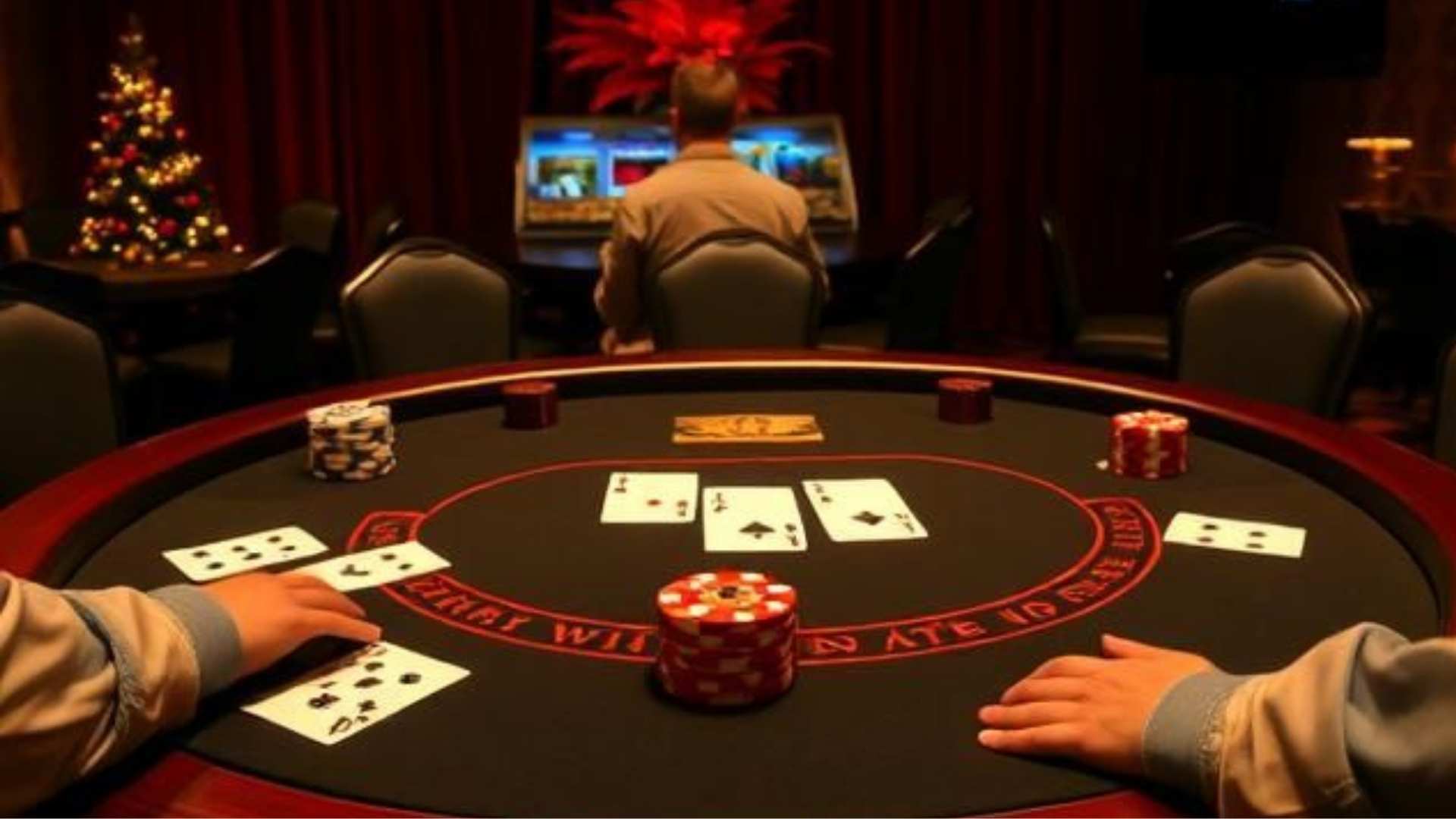
The architectural elegance and strict social codes of early European gambling salons profoundly reshaped how popular card games were organized and enjoyed across generations. Long before modern legal frameworks standardized casino operations, regional gathering spaces throughout France, Italy, and the United Kingdom served as incubation hubs for tactical card play. These historic establishments transformed casual parlor pastimes into enduring cultural rituals that demanded intellectual rigor and emotional restraint from every participant.
The Architectural Design of Continental Salons
Classic European wagering houses generally isolated their premium card tables inside dedicated high-stakes alcoves to foster an aura of exclusive luxury. This deliberate spatial organization managed to separate active participants from casual peripheral onlookers, establishing a quiet environment essential for deep concentration. The physical boundaries of these private rooms directly reinforced the perceived social importance of the strategic activities taking place within them.
Furthermore, the physical layout of the massive wooden tables dictated the precise manner in which information flowed during a live round. Players had to navigate structural information asymmetries based entirely on their physical seating assignments relative to the dealer. This intricate relationship between room design and positional play elevated table awareness into a vital component of successful card strategy.
The Transition from Shared Risk to House Rules
In the earliest iterations of traditional European gaming clubs, the financial responsibilities of managing the table bankroll were decentralized and rotated among the participants themselves. Wealthy patrons actively competed for the privilege of holding the bank, taking on substantial personal financial risks against the combined forces of the entire room. This participatory structure ensured that every dealt hand was treated as a direct psychological battleground between peers rather than a contest against an institution.
Over time, commercial establishments realized that absorbing these operational roles could provide a highly stable revenue stream and streamline overall transaction speed. The transition to a permanent corporate house bank fundamentally altered the social dynamic of the room, shifting the focus from communal accountability toward individual probability tracking. Today, modern enthusiasts looking to explore the digital evolution of these classic banking formats often utilize online platforms like the m88 奖金 system to experience contemporary table varieties instantly.
Cultivating Strict Codes of Table Etiquette
The lasting legacy of historic European gaming houses resides within the unwritten behavioral guidelines and formal customs that managed player interactions. In prominent aristocratic circles, verbal communication during a competitive live deal was strictly kept to an absolute minimum to preserve an atmosphere of mutual respect. Participants relied on subtle physical gestures and precise card placements to communicate their strategic intentions without disrupting the room's focus.
Dealers and croupiers also operated under rigorous operational standards, executing manual card shuffles with immense physical dexterity to guarantee absolute game integrity. This rhythmic performance established deep institutional trust and ensured that the pace of play remained sophisticated and deliberate. By exploring these historic traditions, contemporary card players gain a more profound appreciation for the social structures that continue to govern global casino culture.